1518 Legacy Dr, 1st Floor, Ste 112, Frisco TX

(469) 701-2333

Client Portal

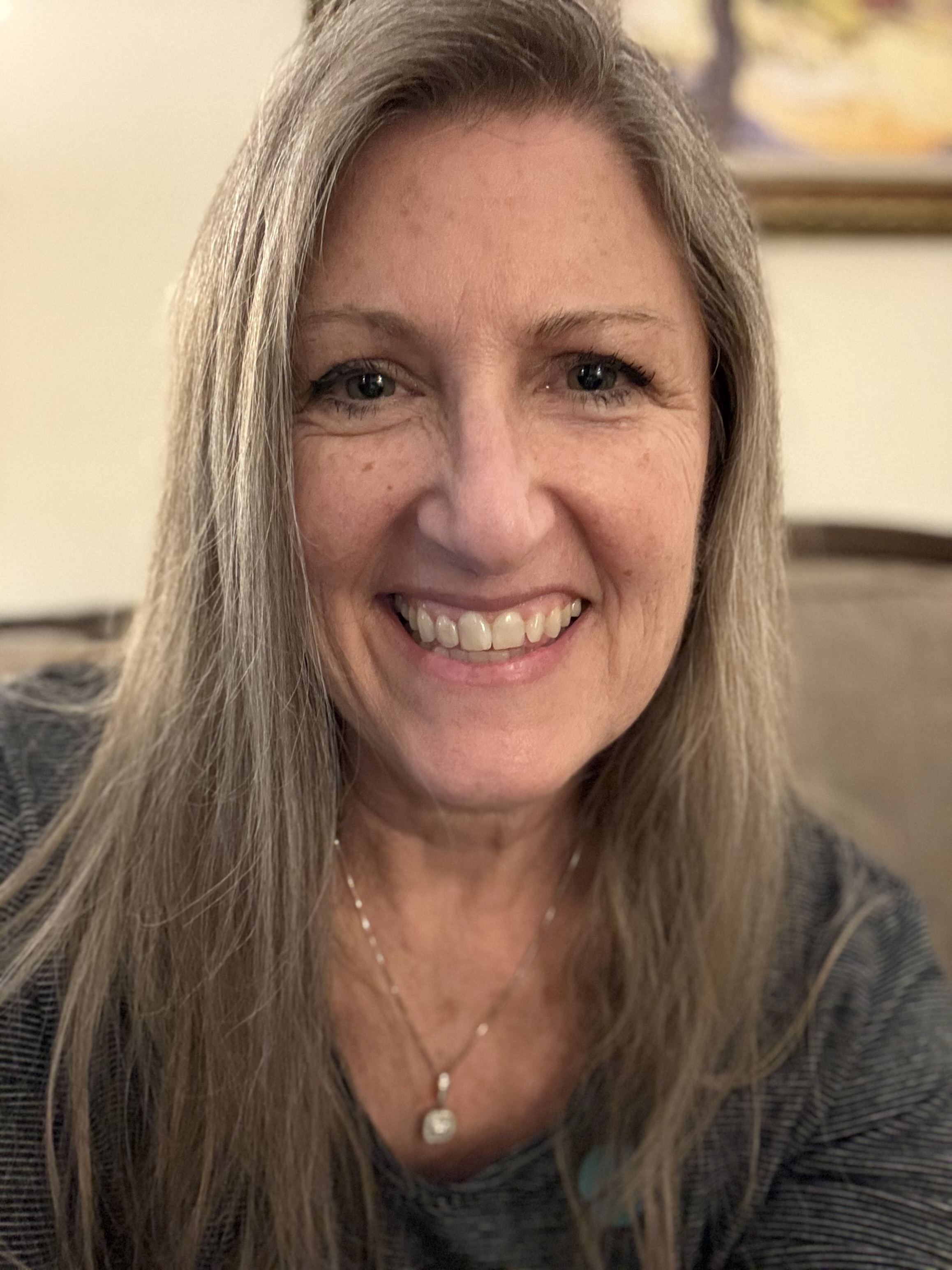
The Sexual Attitude Reassessment (SAR) has been an opportunity for me to serve as supporting staff for small groups. An interesting phenomenon has happened both times I’ve recently participated.
After my latest experience and struggling with so much internal shame, I realized I had rushed through my reactions. No one had pushed me, I rushed willingly, I needed to sit with the feelings and hold space for them, so I reached out to a friend for her relentlessly kind honesty.
I work with an incredible group and am honored to provide small-group support. It is common for the leader to ask others to facilitate a section. While I am capable of speaking in front of people, my comfort level changes when I am around mentors and friends whom I respect deeply. In those moments, my vulnerability is at its highest.
This was not about confronting things in the sexual health world. I think I would have understood it better if it had been. It was, however, just as valuable.
I was asked to lead a section I was familiar with; I didn’t have to, but I wanted to. I could tell I was uncomfortable. A beautiful cohort member offered to be "pinned onscreen" with me so I wasn’t alone. I stepped forward, ready, but then I responded inaccurately. When asked for a definition, I gave a blunt, short one that wasn't right for the moment.
I sat there, frozen in front of all those people, feeling embarrassed, stupid and untrustworthy.
I did not know it yet but others stood at the window with me.
The embarrassment I felt answering that question didn’t happen in isolation; it collided and intermingled with fifty years of history. That definition became the doorway into an old wound.
I was that little girl again—the one who couldn't spell, read, or write. I remembered what they told my parents during testing in the '70s: that I didn't even rate high enough for support. Between my home life and my undiagnosed dyslexia, school was yet another place where I prayed to disappear daily.
My mom was told to "make me pretty, and teach me to cook".
What a devastating sentence to place on a child.
However, Mrs. Sheffield, my resource teacher, saw something different. I had been dropped into her class so other teachers could work with the "real" students who wanted to work hard. I was expected to simply step aside.
She didn't see a limitation to manage; she saw a mind waiting to be invited. When everyone else interpreted my struggles as evidence of what I couldn't do, she handed me a word like precipitation and expected me to rise to meet it.
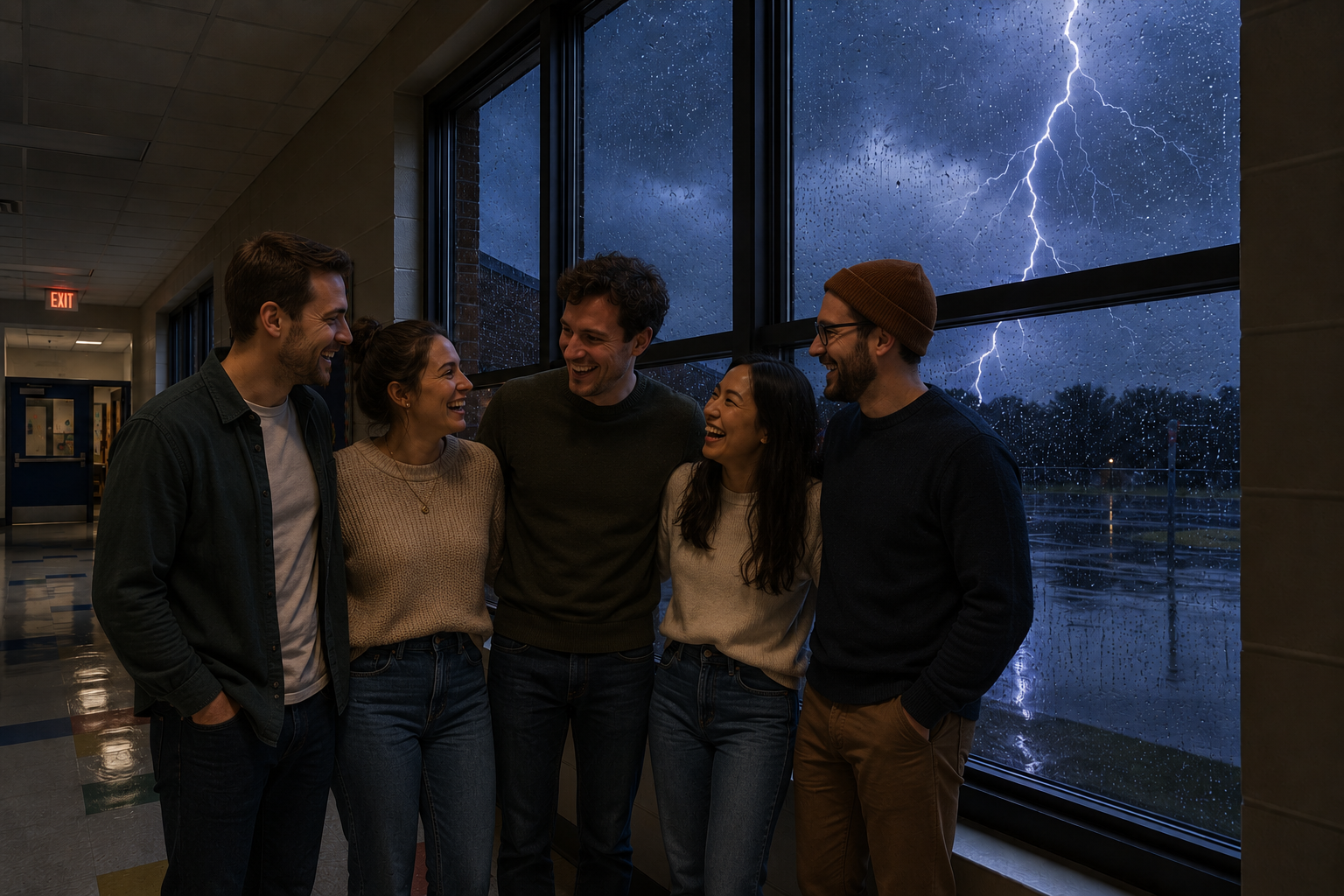
I remember being a little girl hiding underneath my desk, terrified during a bad storm in the portable building. Instead of shaming me or telling me to stop being afraid, Mrs. Sheffield truly saw me.
She said: "The fear comes from some of the unknown. Let me help you know."
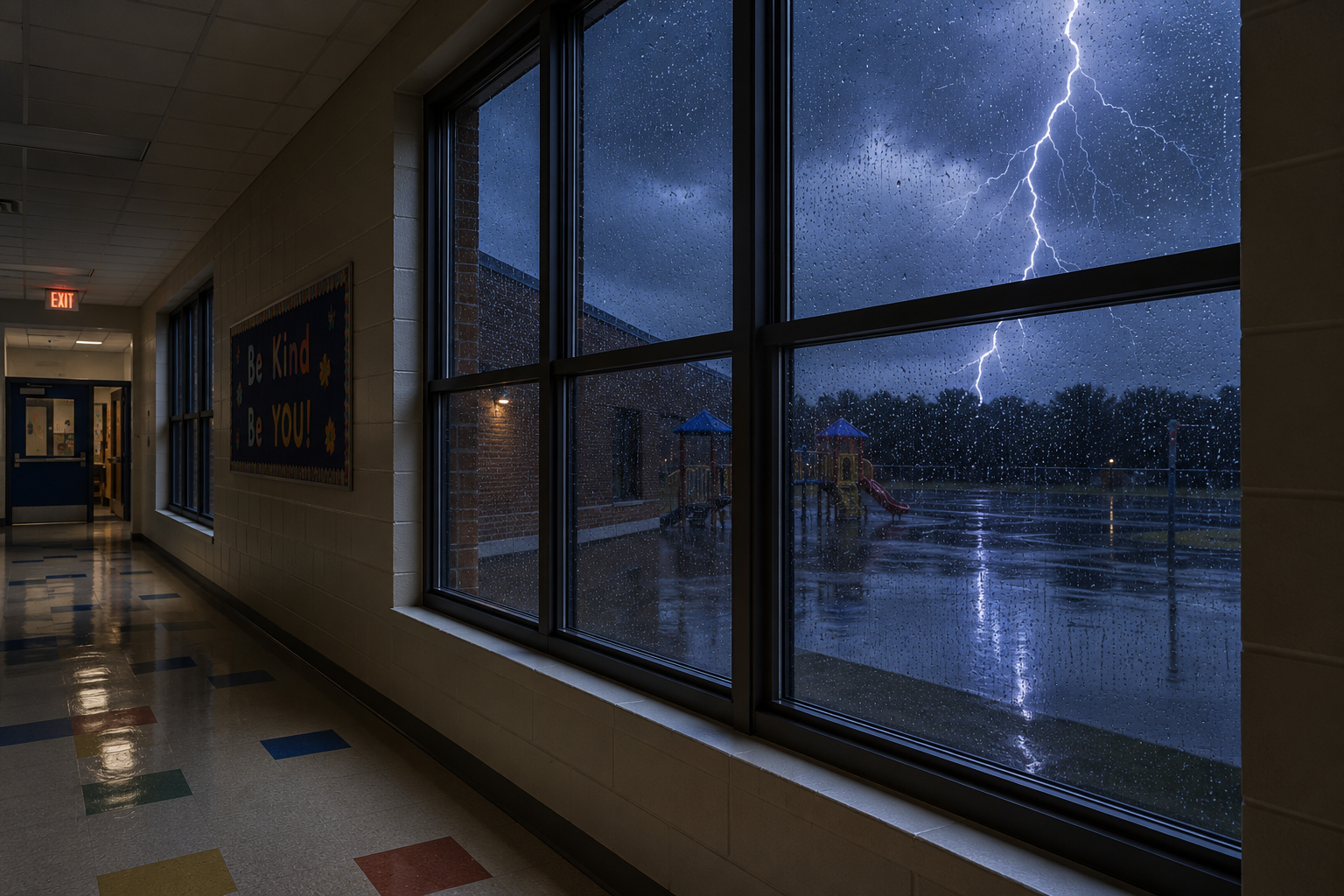
She didn't tell me the storm wasn't real. Instead, she took the class to the big glass window in the main building. She had us look at the rain and notice its speed and direction. She asked if I could see individual drops or if it all seemed to stream together.
We listened for the lightning—I still remember those snaps of electricity. We stood together to face the storm, counting the seconds between the lightning and the thunder to understand how far away it was.
To know the real storm that was happening.
That single moment shaped my entire career. I became the person who stands at the window with clients, looking to know the things they’re afraid of: sexuality, trauma, grief, shame, non-monogamy, bodies, aging, identity, cancer, and death.
A storm does not simply disappear; it changes everything in its path. To hold space is to stand beside someone at the window. You help them look. You help them listen. You help them understand what they are experiencing.
I realized the thing that makes me valuable in those rooms is not my ability to deliver the perfect definition. It’s my ability to do for others what Mrs. Sheffield did for me.
Some people are beautiful encyclopedias whose quick wit and ability to pull from deep pockets of intelligence are astonishing. My gift is different: I am a connector. I stand at the window. I connect in moments of discomfort, and I connect when we focus on the size and direction of the storm. I walk into the places where people feel ashamed, frightened, confused, isolated, or broken, and I help them feel less alone.
The irony is that after the SAR, when I hit the edge of my own window of tolerance, I didn’t need someone to tell me how smart I was. I called someone who could help me look at what happened—someone who could help me become curious instead of ashamed. I needed someone to hold space for me, the exact thing I have tried to do for others all my life.
I spent years believing that intelligence was measured by how quickly someone could answer a question. But maybe wisdom isn’t only standing in front of a room with all the definitions.
Maybe wisdom could be standing beside someone at the window while the storm rolls in, and saying, “Let’s look at it together.”
Mrs. Sheffield taught me that fear comes from some of the unknown. Then she asked, “Let me help you know.”
Fifty years later, I realize that’s still the work I’m doing. I may never be the fastest mind in the room, but I know how to hold space while looking for the "knowing." That is a strength I no longer wish to diminish.
Much Respect,
MCP